
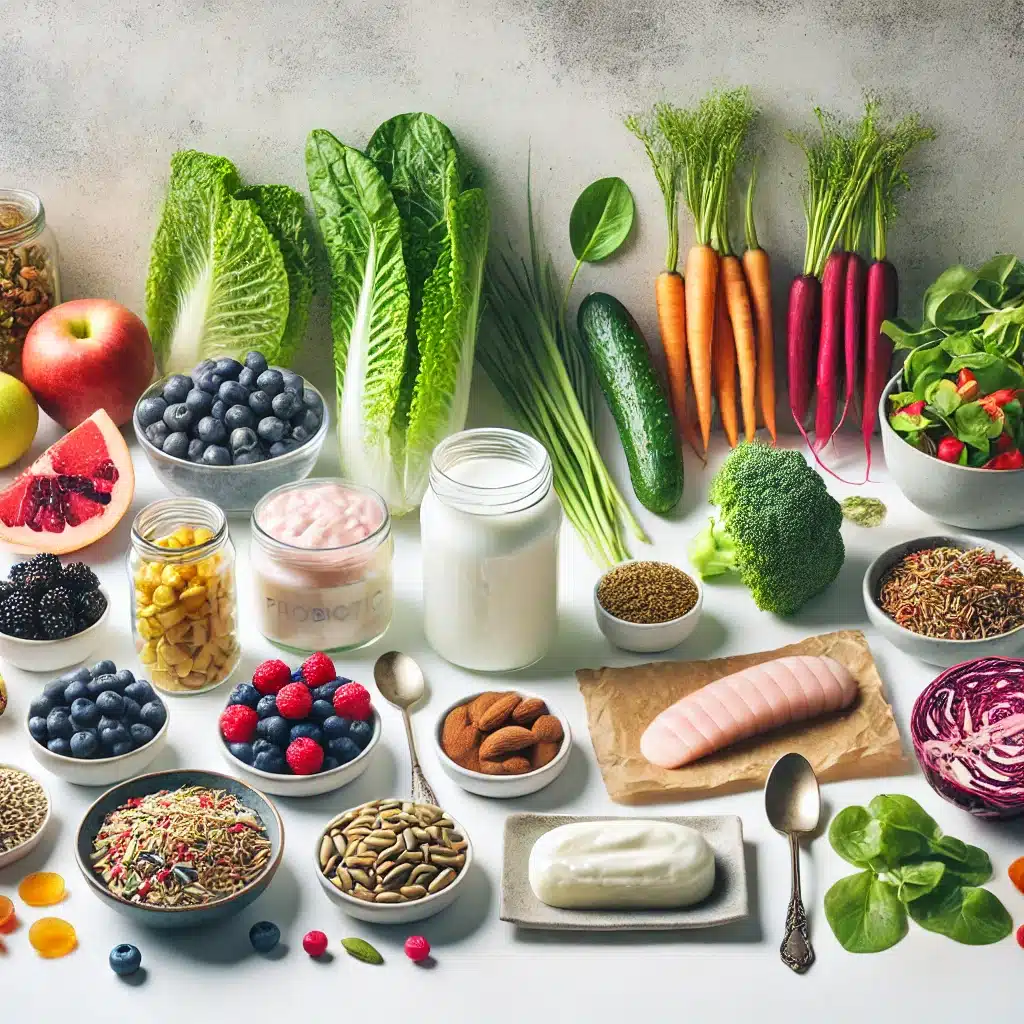
Gut health plays a crucial role in influencing overall health, and emerging research continues to uncover the extensive impact of the gut microbiome on various aspects of well-being. The gut microbiome refers to the trillions of microorganisms, including bacteria, viruses, fungi, and other microbes, that inhabit the digestive tract.
“All diseases begin in the gut.”
– Hippocrates
Let’s see how important is your gut!
- A healthy gut is essential for efficient digestion and absorption of nutrients.
- A diverse and balanced gut microbiome helps regulate the immune response, defending against pathogens and supporting immune function.
- Gut bacteria contribute to the synthesis and absorption of certain vitamins and nutrients, such as B vitamins and short-chain fatty acids, which play roles in energy metabolism and overall health.
- The gut-brain axis is a bidirectional communication system between the gut and the brain. Changes in the gut microbiome can influence brain function and may be linked to mental health conditions such as anxiety and depression.
- The composition of the gut microbiota has been associated with weight management. Imbalances in the microbiome may contribute to obesity and metabolic disorders.
- A disrupted gut microbiome has been linked to chronic inflammation, which is a contributing factor to various diseases, including inflammatory bowel diseases (IBD), cardiovascular diseases, and metabolic disorders.
- The gut microbiome can influence hormonal balance, including the metabolism of hormones such as estrogen. This may have implications for reproductive health in both men and women.
“If there’s one thing to know about the human body, it’s this: The human body has a ringmaster. This ringmaster controls your digestion, your immunity, your brain, your weight, your health, and even your happiness. This ringmaster is the gut.”
– Nancy S. Mure
What can you do to promote a healthy gut?
- Enhance your gut health with a diverse array of nutrient-packed foods. Opt for a rainbow on your plate, loading up on fiber-rich options like legumes, berries, nuts, and whole grains. These fiber champions fuel the growth of beneficial gut bacteria, fostering a thriving microbiome.
- Introduce probiotic-rich foods like yogurt, sauerkraut, and miso into your diet to cultivate a harmonious gut environment. These live cultures work wonders for your digestive health.
- Don’t forget the prebiotics! Garlic, onions, and bananas are just a few examples of prebiotic-rich foods that nourish and support your gut bacteria.
- Steer clear of processed and sugary treats, as they can throw your gut out of balance. Similarly, use antibiotics sparingly and under professional guidance, as they can disrupt your gut flora.
- Be mindful of NSAID use, opting for moderation and professional advice when necessary. And don’t overlook the holistic approach – adequate sleep, stress management, hydration, and regular exercise all play pivotal roles in maintaining gut health and overall well-being.
- Remember, everyone’s gut is unique. For personalized guidance, consider scheduling a one-on-one consultation with our registered dietitians at RPM Logix. Let’s embark on your journey to a happier, healthier gut together.
It’s important to note that individual responses to dietary and lifestyle changes may vary. If you would like more guidance, you can set up a one-on-one appointment with the registered dietitians at RPM Logix.
“What steps will you take this week to contribute to your gut health?”

Founder at RPM Logix – Remote Personalized Medicine