Patient Newsletter October 2024: Embrace the Season: Your Guide to Seasonal Nutrition
Mario Erlach
Table of Contents
Add a header to begin generating the table of contents
As we transition into a new season, it’s the perfect time to explore the delicious and nutritious offerings that nature has to offer. Seasonal eating not only provides us with fresh, flavorful ingredients but also ensures that we’re nourishing our bodies with foods that are at their peak in terms of both taste and nutritional value.
In this month’s newsletter, we’re excited to share some tips and recipes to help you make the most of the season’s bounty and support your health and well-being:
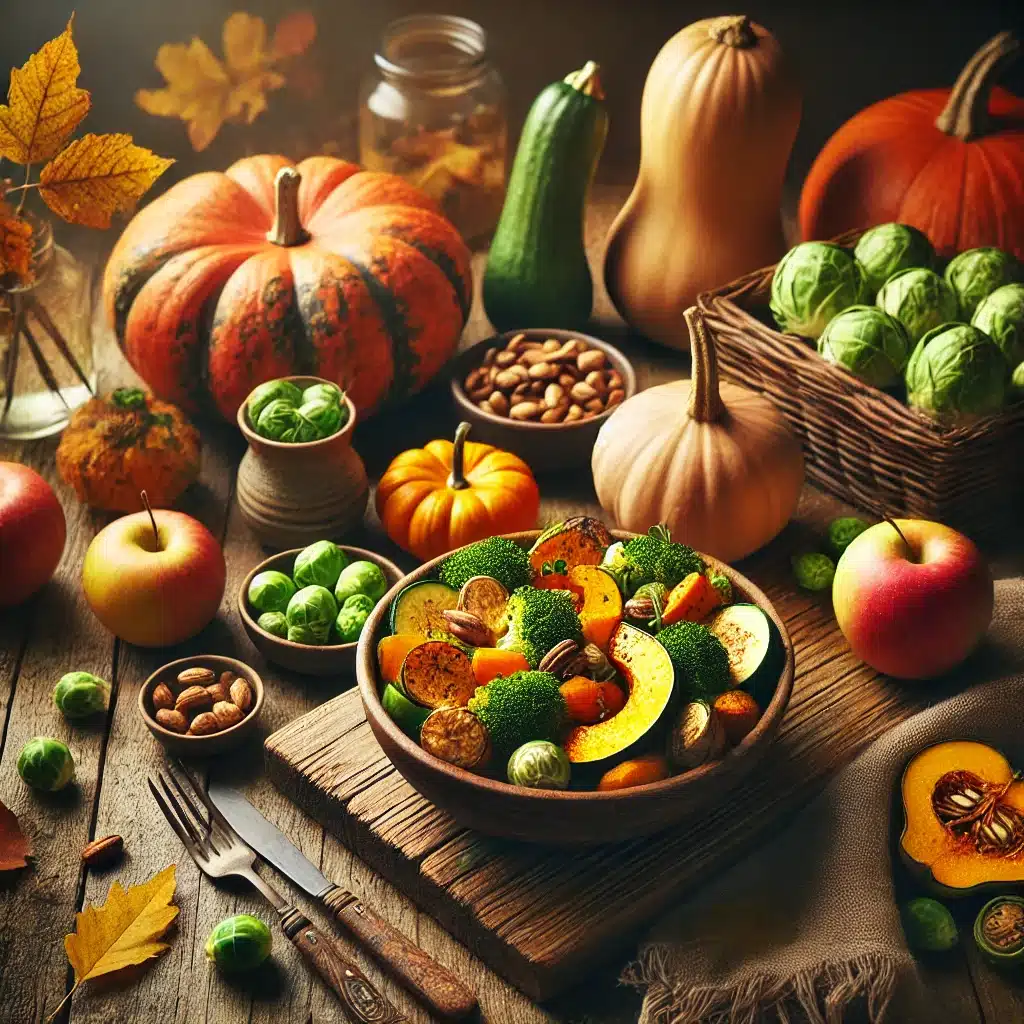
Fall Favorites: Discover the abundance of seasonal fruits and vegetables that are in season during the fall months. From crisp apples and juicy pears to hearty squash and vibrant leafy greens, there’s no shortage of delicious options to incorporate into your meals. Other vegetables that are in season during fall include: Brussels sprouts, cauliflower, kale, carrots, pumpkin, pomegranate, sweet potato, and beets. There are many other fruits and vegetables you can eat that will also be nutritious and delicious, but they might be more expensive during this season. You can always go for frozen options of some of these foods as they will be just as nutritious.
Nutritional Benefits: Seasonal produce can support your overall health as they are filled up with nutrients such as vitamins, minerals, and phytochemicals. From immune-boosting vitamins and antioxidants like vitamin C, iron, and zinc, to fiber that promotes digestion and gut health, seasonal ingredients offer a wide range of nutritional perks.
Tips for Meal Planning: By incorporating seasonal foods into your meal prep, you can save money, reduce food waste, and enjoy a diverse and varied diet throughout the season. You can sit down with a piece of paper and write down a couple of breakfast, lunch, dinner, and snack ideas that include some of the seasonal foods and then make sure to add them to your grocery list. From veggie bowls for breakfast to a salad or stew for dinner, the options are endless!
Farmers’ Market Guide: Explore your local farmers’ markets and farm stands to discover the freshest and most flavorful seasonal produce in your area. Supporting local farmers not only ensures that you’re getting the highest quality ingredients but also helps strengthen your community’s food system.
“To ensure good health: eat lightly, breathe deeply, live moderately, practice seasonal cutting, cultivate cheerfulness and maintain an interest in life.”
– William Londen
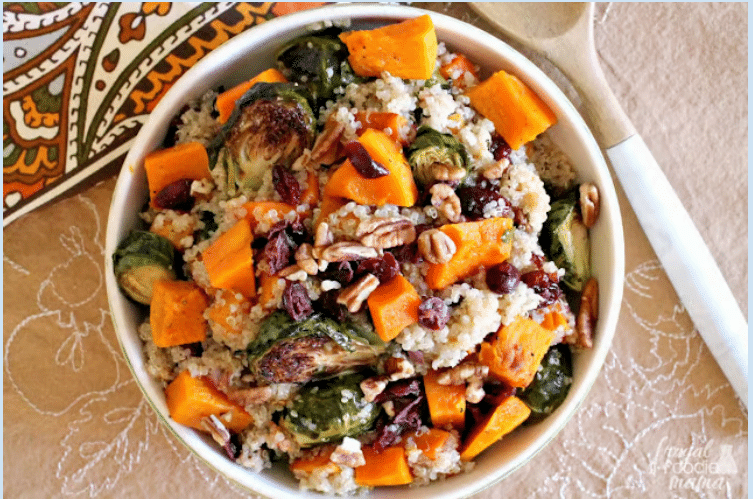
Fall Recipe:Roasted Butternut Squash and Brussels Sprouts Quinoa Bowl
Ingredients:
1 cup quinoa, rinsed
2 cups water or vegetable broth
1 small butternut squash, peeled, seeded, and diced
2 cups Brussels sprouts, trimmed and halved
2 tablespoons olive oil
1 teaspoon garlic powder
1 teaspoon smoked paprika
Salt and pepper, to taste
1/4 cup dried cranberries
1/4 cup chopped pecans or walnuts
1/4 cup crumbled feta cheese or goat cheese (optional)
Fresh parsley or cilantro, for garnish (optional)
“I find that vegetables like butternut squash, which I feel unexcited about as a side dish, I’m thrilled to eat in a soup.”
– Cynthia Nixon
Instructions:
Preheat the oven to 400°F (200°C).
Line a baking sheet with parchment paper or lightly grease with olive oil.
In a medium saucepan, combine the quinoa and water or vegetable broth.
Bring to a boil, then reduce the heat to low, cover, and simmer for 15-20 minutes, or until the quinoa is cooked and the liquid is absorbed.
Remove from heat and let it sit, covered, for 5 minutes. Fluff with a fork and set aside.
In a large mixing bowl, toss the diced butternut squash and halved Brussels sprouts with olive oil, garlic powder, smoked paprika, salt, and pepper until evenly coated.
Spread the seasoned vegetables in an even layer on the prepared baking sheet.
Roast in the preheated oven for 25-30 minutes, or until the vegetables are tender and caramelized, stirring halfway through cooking.
While the vegetables are roasting, toast the pecans or walnuts in a dry skillet over medium heat for 3-4 minutes, or until lightly golden and fragrant.
Remove from heat and set aside.
Once the vegetables are roasted, assemble the quinoa bowls.
Divide the cooked quinoa among serving bowls, then top with the roasted butternut squash and Brussels sprouts.
Sprinkle the dried cranberries and toasted nuts over the quinoa bowls.
If desired, add crumbled feta cheese or goat cheese for extra flavor.
Garnish with fresh parsley or cilantro, if desired.
Serve immediately and enjoy!
This roasted butternut squash and Brussels sprouts quinoa bowl is not only delicious and satisfying but is also packed with nutrients from seasonal vegetables. It’s perfect for a cozy autumn dinner or meal prep for a nutritious week ahead! Feel free to customize the recipe with your favorite toppings and seasonings!
“What seasonal foods will you be including in your diet this week?”
Founder at RPM Logix – Remote Personalized Medicine
Would you like a demo?
Disclaimer
The information provided by RPM Logix is intended for educational purposes only and should not be construed as legal or medical billing advice. While every effort is made to ensure the accuracy and timeliness of the content, RPM Logix makes no representations or warranties of any kind, express or implied, about the completeness, accuracy, reliability, suitability, or availability of the information provided. The coding and billing guidelines, including but not limited to CPT, HCPCS, and ICD codes, are subject to updates and changes by regulatory authorities such as CMS (Centers for Medicare & Medicaid Services) and the AMA (American Medical Association).
RPM Logix is not responsible for any errors, omissions, or outcomes resulting from the use of this information. It is the responsibility of the healthcare provider to verify the accuracy of coding and billing information, to remain informed about updates, and to comply with all relevant payer guidelines and regulations. RPM Logix strongly recommends consulting legal counsel, reimbursement specialists, or the appropriate authoritative resources before submitting any claims.
By using the information provided by RPM Logix, you acknowledge and agree that RPM Logix shall not be held liable for any claims, damages, or other liabilities arising from your use of the information, including but not limited to any billing, coding, or reimbursement issues that may result from reliance on the material presented.