
Water makes up a significant portion of the human body, constituting approximately 60% of an adult’s body weight. The human body is composed of trillions of cells, and water is a crucial component within cells, comprising about 70-90% of the cytoplasm. Water is present in various organs and tissues. For example, the brain is about 75% water, and muscles contain a considerable amount of water. Water is a vehicle for the majority of the body processes such as breathing, cell communication, blood volume, brain function, body movement, cell interactions, temperature regulation, digestion, skin hydration, and much more.
“Pure water is the world’s first and foremost medicine.” – Slovakian Proverb
What happens if you do not drink enough water?
- Insufficient water intake, or dehydration, can have several negative effects on the body. The most immediate sign of dehydration is thirst. A dry or sticky feeling in the mouth can also accompany dehydration.
- When the body is lacking water, the kidneys conserve water by producing concentrated urine. This can result in a decrease in urine volume and darker urine.
- Inadequate water intake can result in feelings of fatigue, lethargy, and a lack of energy. Dehydration affects the efficiency of bodily functions, leading to decreased overall performance.
- Dehydration can cause a drop in blood volume and blood pressure, leading to dizziness and headaches. This can be especially pronounced upon standing up quickly.
- Water is crucial for softening stools and promoting regular bowel movements. Dehydration can lead to constipation and difficulty in passing stools.
- Inadequate fluid levels can contribute to muscle cramps and spasms. Proper hydration is necessary for optimal muscle function.
- Dehydration can cause weight gain because it contributes to water retention.
“Drinking water is like washing out your insides. The water will cleanse the system, fill you up, decrease your calorie load and improve the function of all your tissues.” – Kevin R. Stone
Tips to stay hydrated:
- Drink water regularly – Make it a habit to drink water consistently throughout the day. Carry a reusable water bottle to make it easy to access water wherever you go.
- Set an intake goal – Aim for a specific daily water intake goal based on your age, gender, weight, and activity level. To calculate your water needs, divide your pounds by half and aim for that number of ounces of water per day.
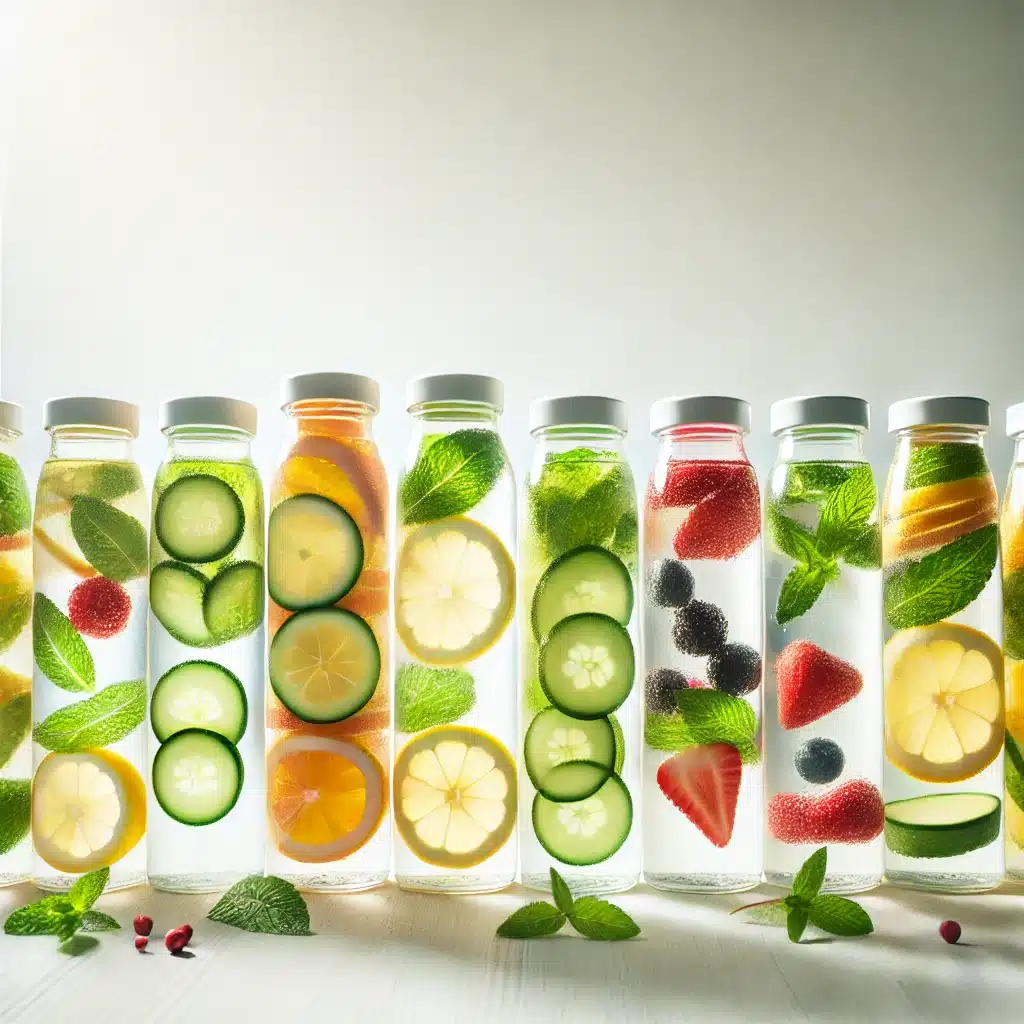
- Make it fun – Add natural flavors to your water with slices of fruits, vegetables, or herbs: cucumber, basil, lemon, berries, citrus fruits, and mint are popular choices.
- Replace sugary drinks with seltzer water or herbal teas – Limit the consumption of caffeinated and alcoholic beverages, as they can contribute to dehydration.
- Keep water accessible – Place water in visible and easily accessible locations, such as your desk, car, or kitchen counter.
Looking for a healthy refreshing drink option? CHECK THIS IDEA:
What steps will you take this week to stay hydrated and drink more water?
