
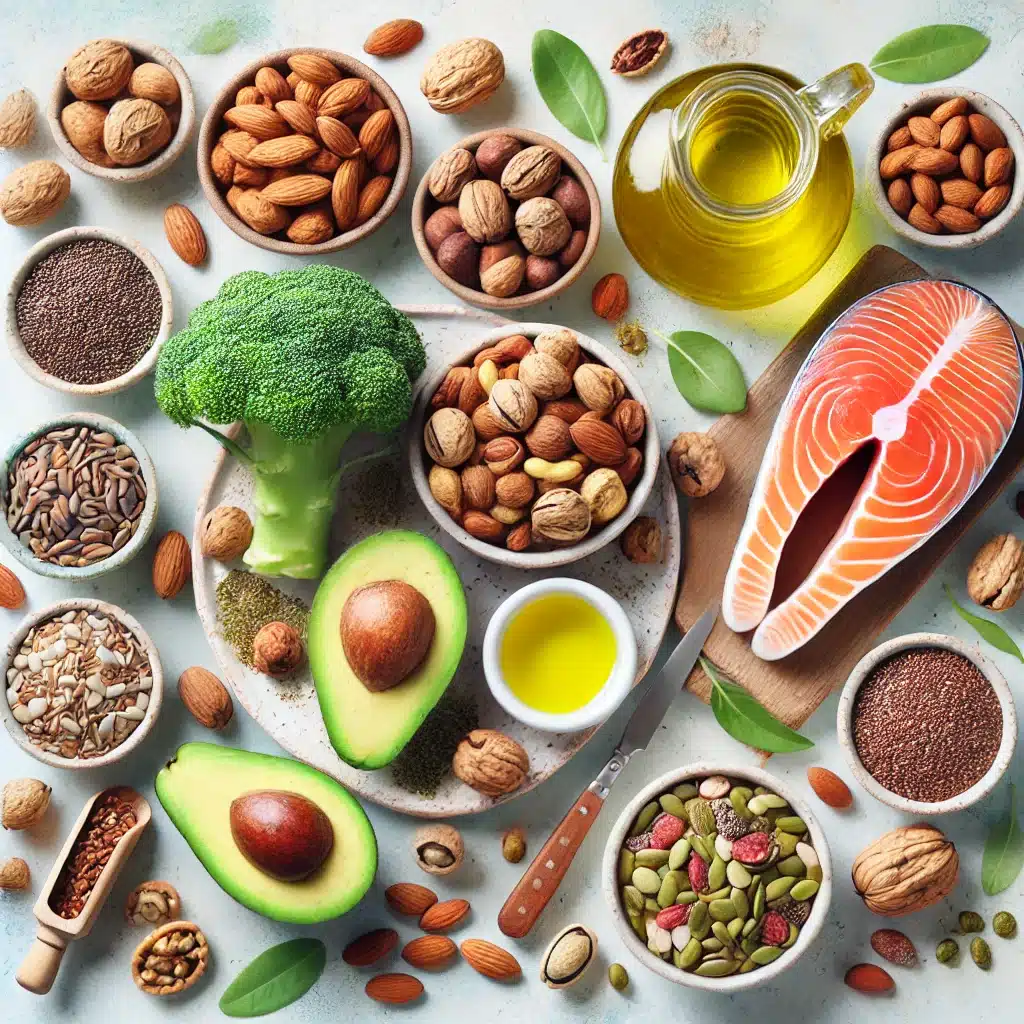
One of the macronutrients that tends to have a bad reputation is fat, but did you know that fat is essential to life? In order to have a healthy body and for body processes to work efficiently, we need fat. The thing with fats is that they all are not created equal.
Some of the key functions that fats play in our bodies are to provide energy, add structure to cell membranes, aid in cell and tissue growth, and help with the absorption of fat-soluble vitamins such as vitamins K, D, E, and A.
“Nuts have gotten a bad rap because of their high fat content. But their protein, heart-healthy fats, high fibre, and antioxidant content earn them a place in your daily diet. I often say ‘less is more,’ and portion control is key to healthfully enjoying nuts.”
– David Kirsh
There are different types of fats, and focusing on the healthy ones will help our bodies work ideally.
There are 3 different types of fat: trans fats, saturated fats, and unsaturated fats.
- Unsaturated fats are the ones associated with health benefits, and they are contained in foods such as nuts (almonds, pecans, walnuts, pistachios), seeds (pumpkin seeds, sunflower seeds, chia seeds, flaxseeds), oils (olive oil and avocado oil), fatty fish (salmon, tuna, sardines, trout), avocado, soybeans, and tofu.
- Saturated fats have been associated with an increased risk of heart disease when consumed in excess; moderation is important. Some of the foods highest in these fats are animal fats such as butter, the fat in red meats, cheese, cream, palm oil, coconut, and coconut oil.
- Trans fats are not known to provide any health benefits and can really increase the risk for heart disease and bad cholesterol, so the recommendation is to avoid this type of fat. Trans fat can be found in fried foods, baked goods, pastries, non-dairy creamers, packaged snacks, and any product that lists hydrogenated oil in the ingredients list.
“I use a lot of spices, fresh veggies and fruit, extra virgin olive oil, nuts, avocado, soybeans and organic ingredients as often as possible. We need fat in our diets and using the healthier fats is key.”
– Todd English
Ways to prioritize healthy fats and reduce unhealthy fats:
- When cooking at high temperatures, use oils with high smoking point, one of the healthiest oils to cook with is avocado oil.
- Make your own dressings for salads or marinades to reduce intake of inflammatory oils such as corn oil, soybean oil, safflower oil, sunflower oil, cottonseed oil. To make your own dressing, you can mix 1 tbsp olive oil, 1 tbsp vinegar, 1 tbsp mustard, and herbs and spices (pepper, cumin, oregano, basil, etc.)
- It is healthier to consume a moderate intake of saturated fats, but even when it is recommended to be eaten in moderation, butter is healthier than margarine for cooking.
- Read food labels. Look for items that have 0 g Trans fat, and if you spot partially hydrogenated oil/fat in the ingredients list, avoid the item.
- Look for foods low in saturated fat. It is recommended to limit saturated fat to less than 10% of total calorie intake, so in a 2,000 calorie diet, that would be about 20 grams per day. You can see how many grams of saturated fat foods have by checking the food label.
“What steps will you take this week to add more protein to your diet?”

Founder at RPM Logix – Remote Personalized Medicine