
Key Takeaways
- Remote Patient Monitoring (RPM) uses digital devices and connectivity to monitor patient health outside the clinic.
- RPM bridges the gap between office visits and home care by enabling continuous non-face-to-face management.
- Key components include medical devices, data transmission systems, and clinician monitoring platforms.
- RPM improves clinical decision-making by providing ongoing health data trends.
- Healthcare providers can scale chronic care programs more efficiently using RPM technologies.
In today’s fast-paced healthcare landscape, Remote Patient Monitoring (RPM) plays a vital role in transforming care delivery. But what is RPM in healthcare, and why does it matter? This guide explores how RPM works, its clinical impact, implementation challenges, and its future in a digitally connected care ecosystem.
What Is Remote Patient Monitoring in Healthcare?
Remote Patient Monitoring (RPM) is a healthcare delivery method that uses digital technologies to collect health data from patients in one location and securely transmit it to healthcare providers in another. RPM enables continuous, non-face-to-face management of chronic and acute conditions, bridging the gap between hospital visits and home care.
Key Components of RPM:
Sensors and Wearables:
- Sensors: Devices that measure specific health parameters, such as heart rate, blood pressure, blood glucose levels, and oxygen saturation. These sensors are often built into wearables or standalone devices.
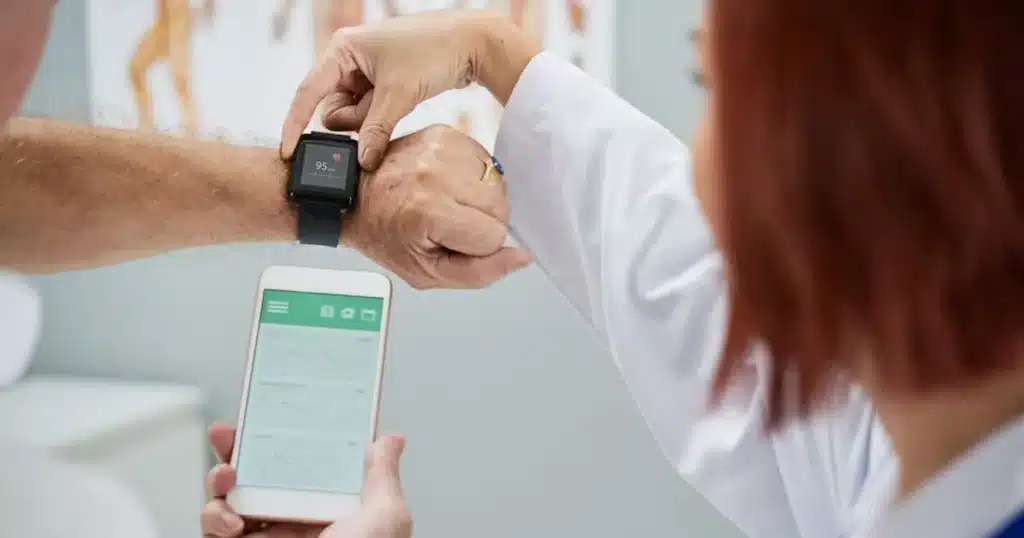
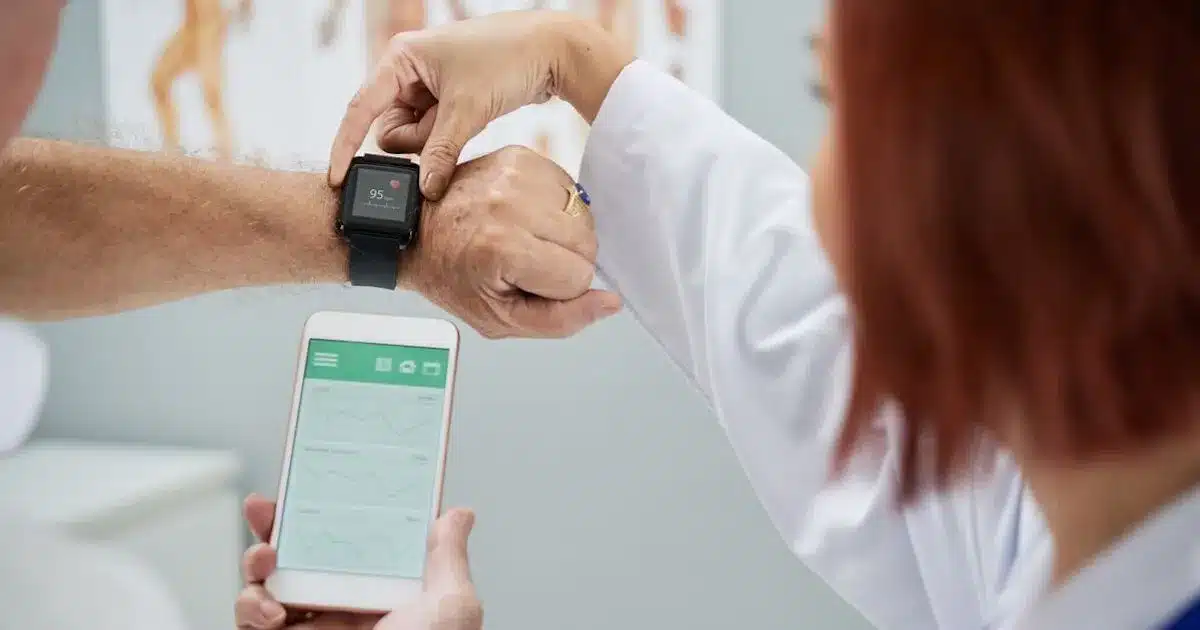
- Wearables: Items like smartwatches, fitness trackers, and specialized medical devices that patients can wear to continuously monitor their vital signs and activity levels. These wearables often integrate multiple sensors to provide a comprehensive health overview.
Data Processing Units:
- Data Aggregators: Systems or software that collect and consolidate data from various sensors and devices. These units ensure that the data is accurately recorded and organized for further analysis.
- Analytical Tools: Software equipped with algorithms and machine learning capabilities to analyze the collected data. These tools can identify trends, detect anomalies, and provide actionable insights for healthcare providers.
Communication Interfaces:
- Mobile Apps: Applications on smartphones or tablets that allow patients to track their health data, receive notifications, and communicate with their healthcare providers. These apps often offer user-friendly interfaces to enhance patient engagement.
- Cloud-Based Platforms: Secure online systems where health data is stored and accessed by healthcare providers. These platforms facilitate real-time data sharing and remote access to patient information, enabling timely interventions.
- Telehealth Systems: Integrated systems that support video consultations, messaging, and other forms of remote communication between patients and healthcare providers. These systems complement RPM by offering a comprehensive telehealth solution.
The Mechanisms Behind Remote Patient Monitoring
Remote patient monitoring (RPM) operates through a systematic process involving the collection, transmission, analysis, and utilization of health data. Understanding each step of this process is essential for healthcare providers and patients to maximize the benefits of RPM.Step-By-Step Process of RPM
1. Data Collection:
- Sensors and Wearables: The RPM process begins with data collection using sensors and wearable devices that measure health metrics such as heart rate, blood pressure, glucose levels, and oxygen saturation. Wearable devices like smartwatches and fitness trackers continuously monitor these metrics, while standalone sensors might be used for periodic checks.
- Patient Interaction: Patients are trained to use these devices, ensuring they can operate them correctly and understand their importance. Consistent and accurate data collection is crucial for effective monitoring.
2. Data Transmission:
- Communication Interfaces: After collection, the data is transmitted to healthcare providers through secure communication interfaces, including mobile apps, Bluetooth connections, Wi-Fi, or cellular networks. Mobile apps provide a platform for seamless data upload from the device to a cloud-based system.
- Secure Channels: Ensuring data security during transmission is paramount. Encryption and secure protocols protect sensitive health information from unauthorized access, maintaining patient privacy and compliance with regulations like HIPAA.
3. Data Processing and Analysis:
- Data Aggregation: Transmitted data is aggregated in a centralized system, often a cloud-based platform, where data from various devices is compiled and organized for analysis.
- Analytical Tools: Advanced analytical tools and algorithms process the aggregated data to identify trends, detect anomalies, and provide insights. Machine learning models can predict potential health issues based on historical and real-time data, enabling proactive care.
4. Provider Review and Decision-Making:
- Data Interpretation: Healthcare providers access the analyzed data through dedicated dashboards or platforms. These interfaces present the data in an accessible and actionable format, highlighting critical information and trends that need attention.
- Clinical Decisions: Based on the insights provided, healthcare providers make informed decisions about the patient’s care. This might involve adjusting medication, scheduling follow-up appointments, or recommending lifestyle changes. The real-time nature of the data allows for timely interventions, potentially preventing complications and improving outcomes.
5. Patient Feedback and Engagement:
- Communication: Providers communicate their findings and recommendations to the patient through the same platforms or via telehealth consultations. This two-way communication ensures patients are aware of their health status and understand the next steps in their care plan.
- Patient Empowerment: Regular feedback and updates empower patients to take an active role in managing their health. Educational materials and personalized recommendations further enhance patient engagement and adherence to treatment plans.
Benefits of Remote Patient Monitoring in Healthcare
Implementing remote patient monitoring (RPM) offers numerous advantages for both patients and healthcare providers. This section explores how RPM improves patient outcomes, reduces hospital readmissions, and enhances healthcare efficiency.1. Improved Patient Outcomes:
- Early Detection: Continuous monitoring enables early detection of potential health issues, allowing for timely interventions that can prevent complications. RPM supports personalized care plans tailored to individual patient needs, resulting in better overall health management.
- Chronic Disease Management: For patients with chronic conditions such as diabetes, hypertension, and heart disease, RPM provides consistent monitoring and management, helping to maintain stability and prevent exacerbations.
2. Reduced Hospital Readmissions:
- Proactive Care: By closely monitoring patients with chronic conditions, RPM can reduce the likelihood of hospital readmissions through early intervention and consistent management. Studies have shown that RPM can significantly decrease readmission rates for conditions such as heart failure and diabetes.
- Timely Adjustments: RPM allows healthcare providers to make timely adjustments to treatment plans based on real-time data, preventing complications that could lead to hospitalizations.
3. Enhanced Healthcare Efficiency:
- Resource Allocation: RPM streamlines the management of chronic diseases by providing healthcare providers with real-time data, reducing the need for frequent in-person visits. This efficiency allows healthcare systems to allocate resources more effectively, focusing on patients who require immediate attention.
- Operational Efficiency: Automated data collection and analysis reduce the administrative burden on healthcare providers, allowing them to focus more on patient care rather than paperwork.
4. Increased Patient Engagement:
- Active Participation: RPM empowers patients to take an active role in their own health by providing them with tools and data to monitor their conditions. Engaged patients are more likely to adhere to treatment plans and make informed lifestyle choices, contributing to better health outcomes.
- Educational Support: Many RPM systems include educational resources and personalized recommendations, helping patients understand their health conditions and the importance of adherence to their care plans.
Challenges in Implementing RPM Systems
Implementing remote patient monitoring (RPM) offers many benefits but also faces significant challenges. Key issues include technological integration, patient privacy and data security, and the need for a clear regulatory framework. Overcoming these challenges is essential to harness the full potential of RPM in healthcare.Technological Integration Challenges
Ensuring seamless technological integration is a primary challenge for RPM. Healthcare providers use various systems and devices, often leading to compatibility issues and data fragmentation. Effective RPM requires these systems to communicate and share data smoothly with existing electronic health records (EHRs) and clinical tools, necessitating substantial investment in standardization and integration solutions.Patient Privacy and Data Security
Patient privacy and data security are critical concerns in RPM. The digital transmission and storage of health information expose it to cyber threats. Protecting this data requires robust encryption, secure communication channels, and compliance with standards like HIPAA. Educating patients about these security measures can build trust and encourage RPM adoption.Regulatory Framework
A clear regulatory framework is essential for the effective implementation of RPM technologies. Regulatory bodies must establish guidelines to ensure the safety, efficacy, and ethical use of RPM devices. This includes setting standards for device accuracy, data management, and patient consent. Clear regulations help mitigate risks and provide a pathway for developing and integrating new RPM solutions into healthcare systems.What Lies Ahead for Remote Patient Monitoring?
The future of RPM technology in healthcare looks promising, with ongoing advancements poised to further transform the industry. Innovations such as AI-driven analytics, enhanced interoperability, and wearable technology improvements are expected to augment the capabilities of RPM systems.Future Developments:
- AI and Machine Learning: These technologies will enable more accurate and predictive analytics, allowing for even earlier detection of health issues.
- Improved Wearables: Next-generation wearable devices will offer more comprehensive health monitoring with greater comfort and usability.
- Expanded Telehealth Integration: RPM will become an integral part of broader telehealth services, providing a more holistic approach to patient care.
Embrace the Future of Healthcare with RPM Logix
As healthcare continues to evolve, understanding and leveraging the benefits of remote patient monitoring is essential. RPM Logix offers state-of-the-art RPM solutions designed to enhance patient care, improve outcomes, and streamline healthcare operations. Explore our range of services and discover how we can help your organization embrace the future of healthcare. Visit RPM Logix to learn more and schedule a consultation today.
Founder at RPM Logix – Remote Personalized Medicine